📝La contribution des banques à la lutte contre le blanchiment de capitaux et le financement du terrorisme, illustration de l’Obligation systémique de Compliance (The Contribution of Banks to the Fight against Money Laundering and Terrorist Financing, an Illustration of the Systemic Compliance Obligation), in 🕴️L. Laref (ed.), 📕Compliance et vigilance bancaire
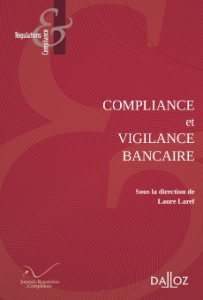
► Full Reference: M.-A. Frison-Roche, “La contribution des banques à la lutte contre le blanchiment de capitaux et le financement du terrorisme, illustration de l’Obligation systémique de Compliance” (The Contribution of Banks to the Fight against Money Laundering and Terrorist Financing, an Illustration of the Systemic Compliance Obligation), in L. Laref (ed.), Compliance et vigilance bancaire. Contribution des acteurs bancaires et financiers à la LCB-FT (Compliance and Banking Vigilance. The Contribution of Banking and Financial Actors to AML/CFT), preface by N. Vasse, 
____
____

____
► This article is written in French. English summary of this contribution: In the banking sector, where it was born and where it expresses itself most forcefully, the Compliance Obligation is not obedience to all applicable regulations, which would reduce it to mechanical conformity. Texts and regulators require the bank to contribute actively to a Monumental Goal: preserving the banking system in order to protect the human beings involved in it. The fight against money laundering and terrorist financing offers the clearest illustration: because it is “in a position” to detect and prevent systemic evils, the bank is its natural legal subject. This obligation brings the bank into European interregulation and extends into a systemic litigation of a new kind. While the goal is imposed on it, the means of serving it are shaped by the bank, not only regulatory tools but also contract. The bank gives concrete form to its AML/CFT mission through an obligation of result as to the establishment of Compliance structures and an obligation of means as to the effects they produce.