SCALIA, Antonin and BREYER, Stephen🕴🏻
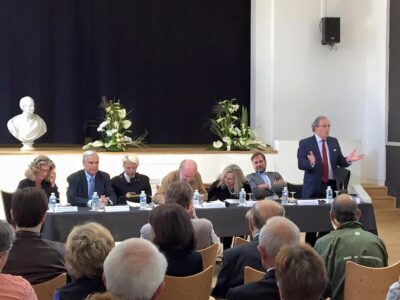
► Full reference: A. Scalia and S. Breyer, “Original Intent and a Living Constitution”, debate organised by the Supreme Court Historical Society, moderated by James Duff, broadcast by C-SPAN, 23 March 2010. - ► Summary: two Justices of the United States Supreme Court compare their conceptions of constitutional interpretation. For Antonin Scalia, an “originalist”, the judge must abide by the meaning the text had for those who adopted it (original meaning, rather than the intent of its drafters): the Constitution is meant to impede change, and it is for the people, not the judges, to decide democratically the questions it does not settle; reliance on purpose and legislative history seems to him subjective and open to manipulation. For Stephen Breyer, a proponent of a “living Constitution”, the judge takes into account text, history, tradition and precedent, but also values and consequences: he does not invent rights, he applies enduring values to new circumstances, the purpose of a provision often being more accessible than its history. - 🎥watch an excerpt of the debate (short version) 🎥watch the full debate